The Rise of Emotion-Recognition AI: Applications, Benefits, and Future Trends
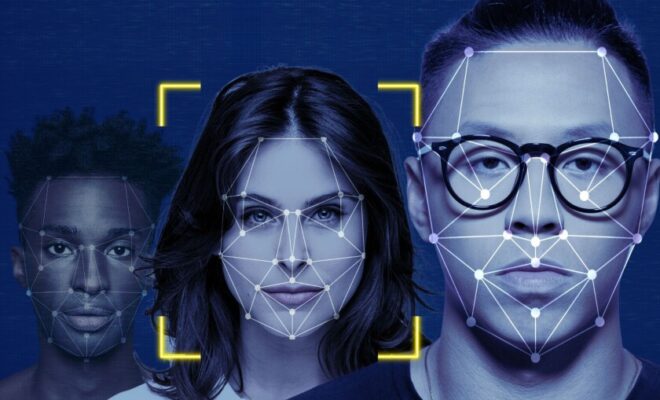
Emotion-recognition AI has rapidly evolved from a niche technological capability to a mainstream tool shaping customer service, healthcare, education, and security. By analyzing facial expressions, voice patterns, physiological signals, and behavioral cues, these systems aim to interpret human emotions with increasing accuracy. As organizations look for ways to personalize experiences and enhance decision-making, emotion AI is emerging as a powerful—yet debated—innovation.
What Is Emotion-Recognition AI?
Emotion-recognition AI refers to algorithms designed to identify and classify human emotional states. These systems typically use:
-
Computer vision to analyze facial micro-expressions
-
Natural language processing to interpret sentiment in speech or text
-
Voice analysis to detect tone, pitch, and stress
-
Wearable biometrics capturing heart rate, skin response, or temperature
Combined, these modalities give AI the ability to predict emotions such as happiness, anger, fear, surprise, or frustration.
How Emotion-Recognition AI Works
Emotion-AI frameworks rely on machine learning models trained on large datasets of human expressions and vocal signals. The process usually includes:
1. Data Collection
Labeled images, audio samples, and physiological readings serve as the foundation for training.
2. Feature Extraction
Algorithms detect patterns—like eyebrow movements or speech tempo—that correlate with specific emotions.
3. Classification
Using classifiers such as neural networks or support vector machines, the system assigns probabilities to potential emotional states.
4. Continuous Learning
Modern models adapt over time, improving accuracy through reinforcement and real-world interactions.
Key Applications Across Industries
Customer Experience
Businesses integrate emotion-recognition AI into call centers and digital platforms to evaluate customer sentiment in real time. This allows:
-
Dynamic routing to human agents
-
Tailored product recommendations
-
Detection of frustration during automated interactions
Healthcare and Mental Wellness
Clinicians use emotion-AI tools to support diagnosis and monitoring of mood disorders. These systems help:
-
Identify early signs of depression or anxiety
-
Track emotional patterns over time
-
Provide insights for personalized treatment plans
Security and Law Enforcement
Emotion-AI is increasingly deployed in:
-
Surveillance systems to flag suspicious behavior
-
Border control settings for stress detection
-
Interview rooms to assist investigation processes
While controversial, these applications reflect the technology’s growing influence on public safety operations.
Education and Learning Technologies
Emotion-recognition platforms improve learning outcomes by monitoring student engagement. They enable:
-
Adaptive lesson pacing
-
Real-time feedback for instructors
-
Identification of struggling learners
Automotive and Smart Mobility
Modern vehicles integrate driver-monitoring systems that detect:
-
Fatigue
-
Stress levels
-
Inattention
Emotion AI supports alerts and autonomous safety features that prevent accidents.
Benefits Driving Adoption
The accelerating adoption of emotion-AI is tied to several advantages:
-
Enhanced personalization across digital experiences
-
Improved safety in vehicles and public environments
-
Operational efficiency through automated emotional insights
-
Better mental-health support via continuous monitoring tools
-
Real-time analytics for strategic decision-making
Ethical Concerns and Limitations
Despite its benefits, emotion-AI systems raise important ethical questions.
Bias and Accuracy
Models trained on unbalanced datasets may misinterpret emotions across cultures or demographics.
Privacy Issues
Capturing facial expressions or voice data involves sensitive biometric information, often requiring stricter data governance.
Consent and Transparency
Users may be unaware that their emotions are being analyzed, prompting calls for clearer policies and regulations.
Misuse Risks
Potential misuse in surveillance or employment settings has sparked global debate about how to regulate emotion-AI responsibly.
Future Outlook
Advancements in multimodal sensors and deep learning continue to refine emotional analysis, making predictions more contextual and nuanced. As emotion-recognition AI integrates with wearable technologies and immersive environments, it is set to become a central feature of next-generation digital ecosystems. Balancing innovation with ethical safeguards will determine how widely—and safely—these tools are adopted.
FAQs
1. How accurate is modern emotion-recognition AI?
Accuracy varies widely depending on data quality, context, and the emotional complexity being analyzed. Models perform best with clear facial expressions and controlled environments.
2. Can emotion-recognition AI understand cultural differences in expression?
While improving, many systems still struggle with cultural and individual variability, highlighting the need for more diverse training datasets.
3. Does emotion-AI replace human judgment?
No. It augments human decisions by providing additional insights but cannot fully capture nuanced emotional dynamics.
4. Is voice-based emotion detection more reliable than facial analysis?
Each modality has advantages. Voice analysis excels at detecting stress, while facial models capture visual cues. Multimodal systems typically perform best.
5. Do users need to consent before emotion-recognition AI is used?
In many jurisdictions, consent is required, especially when biometric data is collected. Regulations vary across regions.
6. Can emotion-AI help people with communication challenges?
Yes. It can support individuals with autism or speech impairments by identifying emotions in real time.
7. What industries are expected to adopt emotion-AI next?
Retail, HR tech, gaming, and extended-reality platforms are poised for rapid adoption as the technology matures.


