

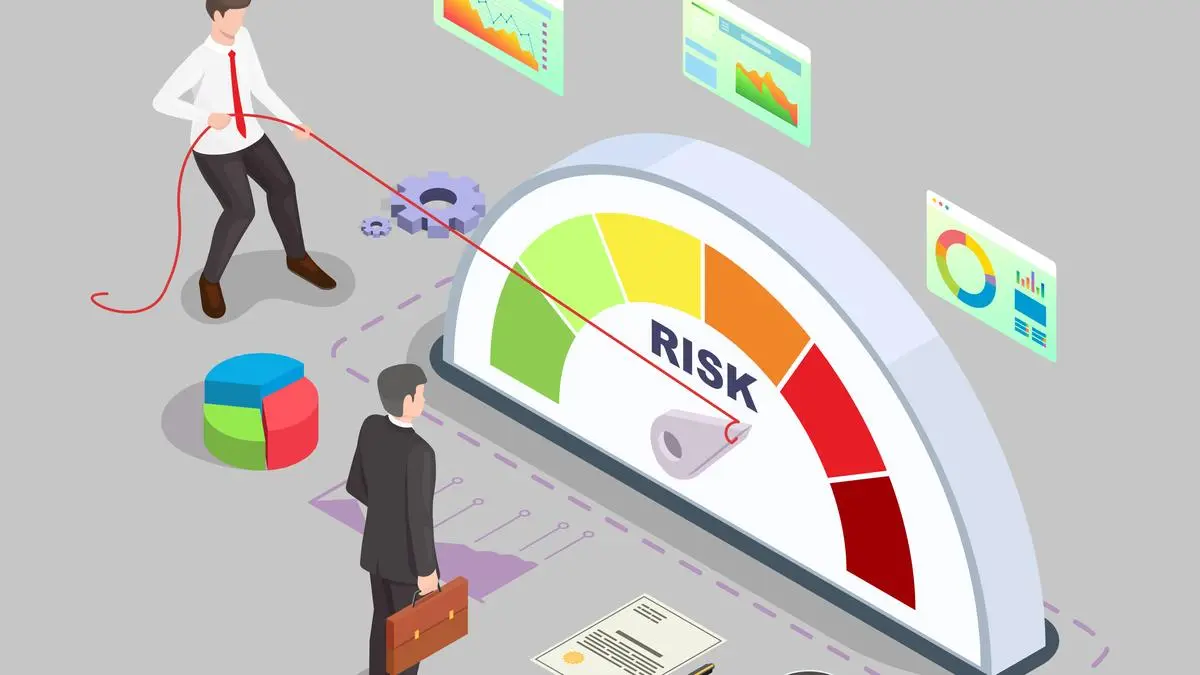
Successful investing isn’t just about finding opportunities—it’s equally about managing risk. A well-prepared investor uses specific tools and strategies to safeguard their portfolio from unexpected market movements. Understanding these tools is essential for minimizing losses and building long-term financial security.
Why Risk Management Matters
Risk is an unavoidable part of investing, but it can be controlled. Effective risk management helps investors stay disciplined, avoid emotional decisions, and maintain consistent performance even during volatile periods. These tools support better decision-making and create a more stable growth path.
Key Risk Management Tools for Investors
1. Diversification
Diversification spreads investments across different asset classes, sectors, and regions to reduce exposure to any single risk.
Benefits include:
- Lower volatility
- Protection against sector-specific downturns
- More stable long-term returns
2. Asset Allocation
Asset allocation determines how much of a portfolio is invested in stocks, bonds, real estate, or cash. This balance ensures that the portfolio aligns with your risk tolerance and investment goals.
Common approaches:
- Conservative: higher bond allocation
- Moderate: balanced stocks and bonds
- Aggressive: heavier stock exposure
3. Stop-Loss Orders
A stop-loss order automatically sells a security when its price falls to a predefined level.
Advantages:
- Limits potential losses
- Reduces emotional decision-making
- Helps maintain discipline during volatility
4. Hedging Strategies
Hedging uses financial instruments such as options, futures, or inverse ETFs to reduce risk.
Examples:
- Buying put options to protect against price drops
- Using futures to lock in prices
- Inverse ETFs to offset market declines
5. Risk Assessment Ratios
These metrics help investors evaluate the risk-return profile of an investment.
Common ratios include:
- Sharpe Ratio: Measures risk-adjusted returns
- Beta: Shows how much an investment moves relative to the market
- Standard Deviation: Indicates volatility
6. Rebalancing
Rebalancing adjusts your portfolio back to its target allocation after market movements cause shifts.
Why it matters:
- Controls risk exposure
- Maintains long-term strategy
- Prevents overconcentration in overperforming assets
7. Emergency Fund
While not a market tool, an emergency fund supports risk management by preventing the need to sell investments during downturns.
Key benefits:
- Protects long-term strategy
- Reduces panic-driven decisions
- Provides financial safety during unexpected events
How These Tools Work Together
No single tool can eliminate risk entirely. Instead, they function best when combined. A diversified portfolio with proper allocation, periodic rebalancing, and protective strategies creates a strong defense against volatility and unforeseen market shifts.
Building a Risk-Adjusted Investment Plan
Set Clear Goals
Knowing your timeline and financial objectives helps determine the right level of risk.
Define Your Risk Tolerance
Investors with lower risk tolerance may choose conservative allocations, while aggressive investors might prefer growth-oriented portfolios.
Use Tools Consistently
Risk management is ongoing. Regular monitoring and adjustments help maintain portfolio stability.
Seek Professional Insight
Financial advisors can help tailor risk strategies to your personal situation, ensuring your investment approach stays aligned with your goals.
FAQs
1. Can risk management tools eliminate all investment risk?
No. They minimize risk but cannot eliminate it entirely. The goal is to create a balanced approach that aligns with your comfort level.
2. How often should I rebalance my portfolio?
Many investors rebalance annually or semi-annually, though high-volatility periods may require more frequent reviews.
3. Are stop-loss orders suitable for long-term investors?
Yes, but they should be used thoughtfully to avoid selling during normal market fluctuations.
4. Is diversification still effective during major market crashes?
Diversification helps reduce losses but cannot fully prevent them in widespread downturns. It still provides better protection than concentrated portfolios.
5. Do beginner investors need hedging strategies?
Beginners can focus on diversification and asset allocation first. Hedging is more advanced and may not be necessary for new investors.
6. How do I know if my portfolio is too risky?
Signs include large swings in portfolio value, discomfort during downturns, or allocations that don’t match your goals.
7. Can an emergency fund really support investing success?
Yes. It prevents the need to sell investments at bad times, protecting long-term growth.