

Introduction
Industrial organizations are undergoing rapid change as they adopt intelligent technologies that improve efficiency, reduce operational risk, and support better decision making. Among these innovations, digital twin technology has emerged as a powerful tool reshaping how industries design, monitor, and optimize complex systems. By creating virtual representations of physical assets and processes, digital twins allow organizations to simulate performance, predict outcomes, and improve operational strategies without disrupting real world operations.
Digital twins are now central to modern industrial transformation initiatives. They support predictive maintenance, process optimization, resource efficiency, and real time monitoring across manufacturing, energy, transportation, and infrastructure sectors. As industries continue adopting connected technologies, digital twins are becoming essential components of smart operational environments.
This article explores how digital twins work, why they matter in industrial transformation, and how organizations use them to improve performance and competitiveness.
Understanding Digital Twin Technology
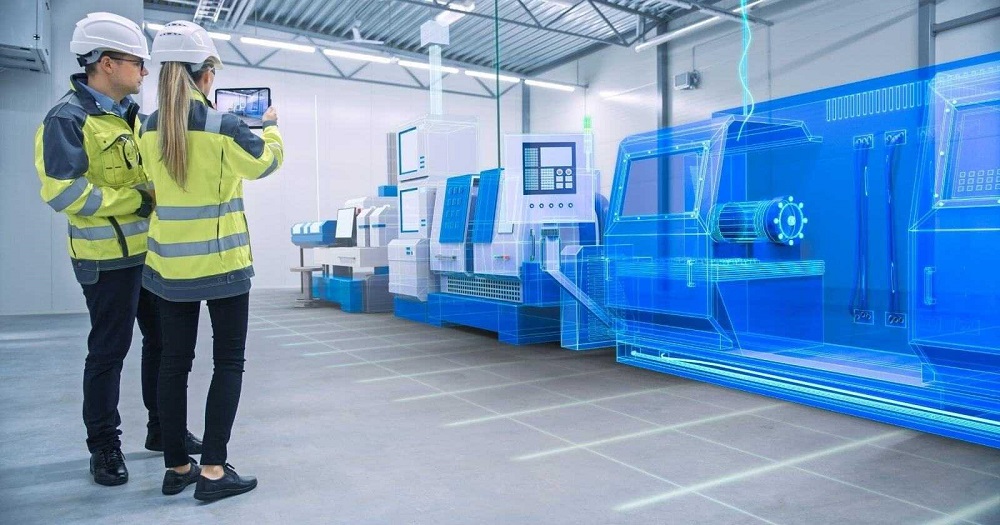
A digital twin is a virtual model that represents a physical object, system, or process in real time. It receives data from sensors and operational systems to mirror actual performance conditions continuously.
Digital twins help organizations:
- monitor equipment behavior remotely
- simulate operational scenarios
- identify performance inefficiencies
- predict maintenance needs
- evaluate system improvements before implementation
These capabilities allow industries to make smarter decisions using data driven insights.
How Digital Twins Support Industrial Transformation
Industrial transformation involves improving operational processes through automation, connectivity, and intelligent analysis. Digital twins provide the visibility required to manage complex systems effectively.
Key transformation benefits include:
- improved asset utilization
- reduced downtime risks
- optimized production planning
- enhanced safety monitoring
- stronger operational coordination
These advantages support more efficient industrial ecosystems.
Core Components of Digital Twin Systems
Digital twin technology relies on several interconnected components that ensure accurate system representation.
Physical Asset Integration
Sensors installed on physical equipment collect operational data continuously. These sensors measure performance indicators such as temperature, pressure, speed, and vibration levels.
This data enables digital twins to reflect real world conditions accurately.
Data Communication Infrastructure
Communication networks transfer sensor data from physical assets to digital environments where analysis occurs.
Reliable communication supports:
- real time monitoring accuracy
- remote equipment visibility
- system synchronization reliability
Efficient connectivity ensures digital twin effectiveness.
Simulation Models
Simulation models recreate system behavior within virtual environments. These models allow organizations to test performance changes without affecting actual operations.
Simulation benefits include:
- evaluating operational adjustments
- predicting equipment performance
- testing production scenarios safely
Simulation improves decision making confidence.
Analytics and Visualization Platforms
Analytics platforms interpret incoming data and present insights through dashboards that support operational planning.
Visualization tools help teams:
- monitor equipment status
- identify performance trends
- detect anomalies early
- improve operational awareness
Clear visualization improves coordination across industrial teams.
Role of Digital Twins in Predictive Maintenance
Predictive maintenance is one of the most valuable applications of digital twin technology. Instead of relying on fixed maintenance schedules, organizations monitor equipment conditions continuously and predict potential failures before they occur.
Predictive maintenance advantages include:
- reduced unexpected equipment downtime
- lower repair costs
- improved equipment lifespan
- enhanced worker safety conditions
These benefits improve productivity across industrial operations.
Improving Production Efficiency Through Digital Twins
Manufacturing environments involve complex workflows that require precise coordination between machines and operators. Digital twins help organizations analyze production processes and identify opportunities for improvement.
Efficiency improvements include:
- optimizing workflow sequencing
- reducing material waste
- improving machine utilization rates
- identifying production bottlenecks
These improvements support consistent output quality.
Supporting Product Design Optimization
Digital twins allow engineers to evaluate product performance before physical prototypes are built. Virtual simulations help teams refine designs efficiently.
Design optimization benefits include:
- reduced development costs
- faster product testing cycles
- improved design accuracy
- enhanced performance evaluation reliability
Virtual modeling accelerates innovation processes.
Enhancing Supply Chain Visibility Using Digital Twins
Supply chain coordination requires accurate tracking of materials and production stages. Digital twins provide visibility across supply chain networks.
Supply chain improvements include:
- tracking inventory movement
- monitoring transportation conditions
- identifying delivery delays early
- improving coordination between suppliers
Improved visibility supports stronger operational planning.
Digital Twins and Industrial Safety Improvements
Industrial safety remains a critical priority across manufacturing and infrastructure environments. Digital twins support safety monitoring by identifying potential hazards before incidents occur.
Safety improvements include:
- monitoring equipment stress levels
- detecting abnormal operational patterns
- evaluating workplace risk conditions
- supporting emergency preparedness planning
Safer environments protect both employees and equipment.
Supporting Energy Efficiency and Sustainability Goals
Energy consumption plays a major role in industrial operating costs. Digital twins help organizations evaluate energy usage patterns and identify opportunities for improvement.
Energy optimization benefits include:
- reducing unnecessary power consumption
- improving equipment performance efficiency
- supporting sustainability initiatives
- lowering operational expenses
Efficient energy management supports environmental responsibility.
Role of Digital Twins in Smart Manufacturing Environments
Smart manufacturing relies on connected systems that communicate continuously. Digital twins strengthen these environments by enabling intelligent coordination across production processes.
Smart manufacturing improvements include:
- real time equipment monitoring
- automated workflow adjustments
- improved quality control accuracy
- enhanced production scheduling flexibility
Digital twins help organizations adapt quickly to changing production requirements.
Digital Twins Supporting Remote Monitoring Capabilities
Remote monitoring allows organizations to manage industrial assets without requiring physical presence at every location. Digital twins provide centralized visibility across distributed infrastructure.
Remote monitoring benefits include:
- reduced travel requirements for technicians
- faster response to equipment issues
- improved coordination between facilities
- enhanced operational oversight
Remote capabilities support efficient infrastructure management.
Integration of Artificial Intelligence With Digital Twins
Artificial intelligence enhances digital twin functionality by improving predictive analysis and decision support accuracy.
Artificial intelligence integration supports:
- advanced anomaly detection
- performance forecasting improvements
- automated maintenance scheduling
- adaptive system optimization strategies
These capabilities strengthen industrial intelligence.
Challenges Organizations Face When Implementing Digital Twins
Despite their advantages, digital twin systems require careful implementation planning to ensure success.
Common challenges include:
Data Integration Complexity
Industrial systems often use different data formats and communication standards. Integrating these systems into unified digital twin platforms requires structured planning.
Infrastructure Investment Requirements
Deploying sensors and communication networks may involve significant initial investment.
Organizations must evaluate:
- hardware installation needs
- connectivity infrastructure readiness
- analytics platform integration costs
Planning helps manage implementation expenses effectively.
Workforce Training Requirements
Employees must understand how to interpret digital twin insights effectively.
Training supports:
- improved data interpretation skills
- stronger decision making confidence
- increased technology adoption success
Workforce readiness strengthens implementation outcomes.
Future Trends Shaping Digital Twin Adoption in Industry
Digital twin technology continues evolving alongside advances in connectivity and analytics platforms.
Important future trends include:
- integration with intelligent automation systems
- expansion of real time simulation capabilities
- stronger predictive modeling accuracy
- improved interoperability across industrial platforms
- increased adoption across infrastructure management environments
These developments will further strengthen industrial transformation strategies.
Conclusion
Digital twins are playing a central role in industrial transformation by enabling organizations to monitor assets, simulate performance, and optimize operations using real time data insights. From predictive maintenance and production efficiency improvements to supply chain visibility and energy management, digital twins provide powerful tools that support smarter decision making across industrial environments.
As industries continue integrating connected technologies into their operations, digital twins will remain essential components of intelligent infrastructure strategies that improve safety, productivity, and sustainability.
FAQ Section
How do digital twins differ from traditional simulation tools
Digital twins update continuously using real time data, while traditional simulations often rely on static datasets.
Can digital twins support infrastructure management outside manufacturing environments
Yes. Digital twins are widely used in transportation systems, energy networks, and smart infrastructure monitoring applications.
What industries benefit most from digital twin technology adoption
Manufacturing, energy production, transportation infrastructure, and logistics operations benefit significantly from digital twin systems.
Do digital twins require constant internet connectivity
Reliable connectivity improves performance, but some systems can operate with partial offline processing capabilities depending on design.
How do digital twins improve maintenance planning accuracy
Digital twins analyze equipment behavior patterns to predict potential failures before they occur.
Are digital twins suitable for small industrial facilities
Yes. Smaller facilities can adopt digital twins gradually by starting with critical equipment monitoring systems.
How does digital twin technology support sustainability initiatives
Digital twins help organizations monitor energy usage patterns and optimize resource consumption efficiently.