


The best public spaces rarely feel like design projects once people start using them. They become meeting points, shortcuts, lunch spots, quiet corners, weekend destinations and familiar parts of a neighbourhood’s routine. Clear guides to what is placemaking are useful because they show how thoughtful design can turn streets, parks, squares and mixed-use areas into places people actively want to spend time in.
Placemaking Begins With Human Behaviour
A place does not succeed simply because it looks attractive in photographs. It succeeds when people feel comfortable using it. That might mean having enough shade to sit outside, safe walking routes, clear entrances, active ground-floor uses, places to pause, and a mix of reasons to visit at different times of day.
Good placemaking starts by observing how people already behave. Where do they naturally gather? Which routes do they take? What makes them linger? What causes them to avoid a space? These questions can reveal more than a design trend or architectural concept.
A square that looks impressive but offers no shade, seating or sense of activity may remain empty. A modest pocket park with comfortable benches, planting, lighting and nearby cafés may become part of daily life. The difference lies in how well the space responds to real use.
A Strong Place Has More Than One Purpose
Successful urban places usually support several types of activity. Someone may pass through on the way to work, return later for lunch, meet friends there in the evening, or attend an event at the weekend. The same space can serve different needs without feeling confused.
This variety matters because cities are not used in one fixed way. Office workers, residents, tourists, families, older people, students and visitors all experience the same environment differently. Placemaking considers those overlapping needs and creates spaces that feel welcoming without being overdesigned.
For example, a public lawn might be used for informal seating during the day and community events at night. A shaded walkway might improve everyday comfort while also connecting retail, transport and open space. A plaza might support markets, performances, casual dining and simple movement through the area.
Details Shape The Experience
People often remember small details, even when they do not consciously analyse them. The height of a seat, the position of a tree, the sound of traffic, the quality of lighting and the ease of crossing a street can all influence whether a place feels pleasant.
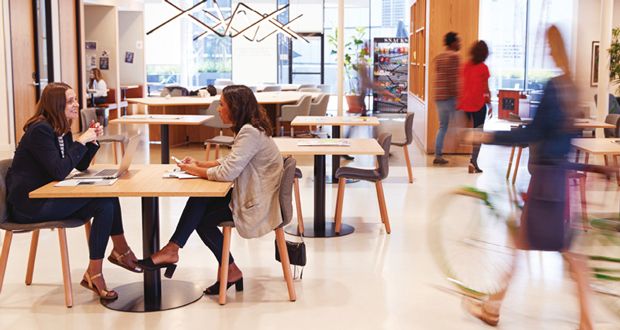
Good placemaking pays attention to these details because they affect confidence and comfort. Wide pavements can make walking easier. Clear sightlines can make a space feel safer. Planting can soften hard surfaces and reduce heat. Water features, public art and varied materials can create identity, but only when they support the space rather than distract from it.
Maintenance also matters. A well-planned space can quickly lose its appeal if it feels neglected. Cleanliness, security, planting care and regular programming all help keep a place active and trusted over time.
Community Gives A Place Its Character
Design can create the conditions for a good place, but people give it meaning. Local businesses, residents, workers, visitors and cultural groups all shape how a space is understood.
This is why community involvement can be so valuable. When people feel that a place reflects their needs, they are more likely to use it, care for it and recommend it. Public workshops, temporary events, feedback sessions and pilot projects can help designers and developers understand what will work before permanent decisions are made.
Placemaking is not only about adding amenities. It is about creating a setting where social life can happen naturally. A street market, outdoor performance, children’s activity or lunchtime seating area can all help a place feel alive.
Good Places Keep Evolving
A city changes constantly, so public spaces need room to adapt. What works during the first year may need refining as new residents arrive, businesses open or travel patterns shift. The strongest places are designed with enough flexibility to respond.
Placemaking succeeds when it makes urban life feel easier, richer and more connected. It turns physical space into shared experience, giving people reasons to return, pause and feel part of their surroundings.